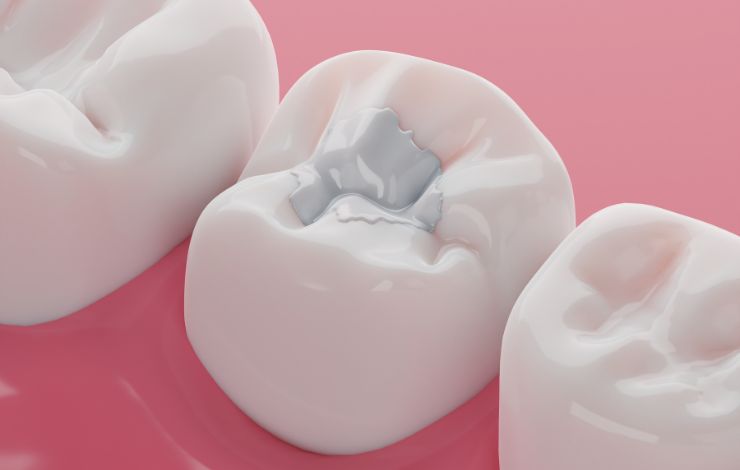
What is Composite Bonding?
Composite bonding is a dental treatment method applied to correct the aesthetic appearance of teeth and improve the function of teeth. In this procedure, a special composite resin material is applied over the teeth. Composite bonding provides aesthetic improvement with small changes in the color, shape and alignment of the teeth. It is generally preferred to correct problems such as small cracks, gaps or discolorations on the surface of the teeth.
Advantages of Composite Bonding
- Fast and Effective: Composite bonding is usually completed in a single session, providing a fast and effective solution.
- Minimal Tooth Handling: Composite resin applied over the teeth requires minimal tooth abrasion.
- Aesthetic Appearance: Composite materials mimic the natural color of teeth and provide an aesthetic appearance.
- Affordability: Composite bonding is generally more cost-effective than other aesthetic dental treatments.

How is Composite Bonding Applied?
The composite bonding application process usually consists of the following stages:
- Examination and Planning: Your dentist will evaluate your teeth and oral health. He/she will determine whether you are suitable for composite bonding and prepare your treatment plan.
- Preparing the Teeth: Before applying the composite resin, the surface of the teeth can be lightly abraded. This ensures good adhesion of the composite material to the teeth.
- Composite Resin Application: Composite resin is applied in thin layers on the teeth. The color and shape are adjusted according to the aesthetic standards set by your dentist. The resin is hardened with a special light.
- Shaping and Polishing: Once the resin is applied, your dentist will make the necessary shape adjustments to achieve the natural shape and appearance of the tooth and ensure that the teeth are finished with a smooth and shiny surface.
Who is Composite Bonding Suitable for?
Composite bonding is suitable for anyone who has minor aesthetic problems (cracks, gaps, discoloration) and wants to improve the appearance of their teeth. It is also an ideal solution for individuals with minimal structural problems in their teeth.
Composite bonding can usually be completed in a single session. The application time may vary depending on the number of teeth and the procedure to be performed, but usually takes between 30 minutes and 1 hour.
Composite bonding is generally painless. Minimal abrasion on the surface of the teeth is a procedure that does not require local anesthesia, and no pain is usually felt during or after the application. However, some people may experience mild discomfort.
Composite bonding can last up to 5-7 years with proper oral care and regular dental check-ups. The durability of the composite material may vary depending on the pressure applied on the teeth and chewing habits.
The cost of composite bonding varies depending on the number of teeth, the procedure to be performed and local dental fees. Your dentist will explain your treatment plan and cost in detail.
You can contact us for more information about composite bonding or to schedule an appointment.